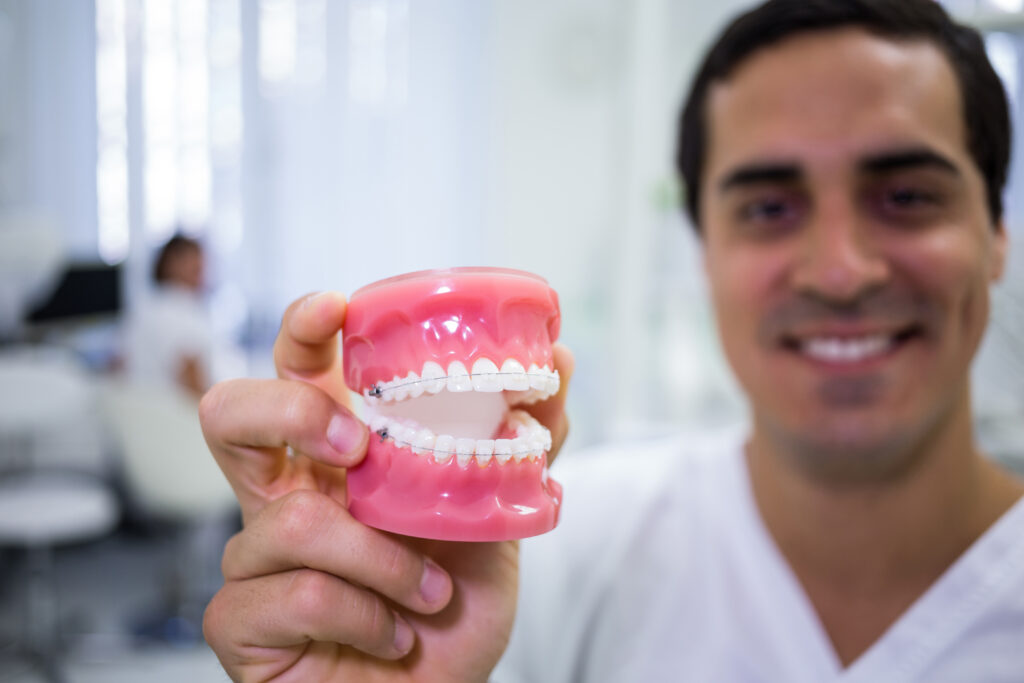
If you are missing teeth, you may feel unsure about your smile or have trouble eating. A trusted dentist in Wilmington, DE, can help you understand your options and restore your confidence. Dentures are one of the most common and effective ways to replace missing teeth. They are custom-made to fit your mouth and improve both function and appearance.
In this guide, we will explain what dentures are, review the different types of dentures, and help you decide which option may be right for you.
What Are Dentures?
Many patients ask, “What are dentures, and how do they work?”
Dentures in Wilmington, DE, are removable or fixed dental appliances that replace missing teeth and surrounding tissue. They are designed to look natural and help you:
- Chew food more easily
- Speak clearly
- Support your facial muscles
- Improve your smile
Modern dentures are more comfortable and realistic than ever before. They are made from durable materials that closely match the look of natural teeth and gums.
Why You Might Need Dentures
You may need dentures if you have:
- Lost several or all of your teeth
- Severe tooth decay
- Advanced gum disease
- Broken or damaged teeth beyond repair
Missing teeth can cause bone loss in the jaw over time. Replacing them early can help protect your oral health.
Full Dentures
Complete dentures replace all the teeth in the upper or lower jaw. They rest directly on the gums and are usually removed at night for cleaning.
There are two main types:
- Conventional complete dentures: Placed after the gums heal following tooth removal.
- Immediate complete dentures: Placed right after teeth are removed, so you do not go without teeth during healing.
Complete dentures are a good choice if all natural teeth are missing. They restore your ability to eat and speak, and provide your face with proper support.
Partial Dentures
Partial dentures are used when some natural teeth remain. They fill in the gaps and prevent nearby teeth from shifting.
Partial dentures usually have:
- Replacement teeth attached to a gum-colored base
- A metal or flexible framework
- Clasps that attach to natural teeth for support
This option is often more affordable than other tooth replacement treatments. It also helps maintain alignment and balance in your bite.
Many patients prefer removable partial dentures for missing teeth because they are easy to clean and adjust.
Implant-Supported Dentures
Implant-supported dentures are attached to dental implants placed in the jawbone. These implants act like artificial tooth roots.
Implant-supported dentures differ from regular ones. They do not lie only on the gums. They snap or screw into place for more stability.
Benefits include:
- Stronger bite force
- Less slipping or movement
- Better comfort
- Reduced bone loss
If you are looking for implant-supported dentures for long-term tooth replacement, this option provides added security and durability.
Comparison of Different Types of Dentures
Here is a simple chart to help you understand the key differences between the types of dentures.
Feature Full Dentures, Partial Dentures, Implant-Supported Dentures
Replace All Teeth Yes No Yes or Partial
Removable Yes Yes Sometimes fixed
Stability Moderate Moderate High
Jawbone Support Limited Limited Strong
Cost Lower Moderate Higher
Your dentist will help you choose based on your oral health, budget, and lifestyle.
What to Expect During the Process
When you visit a dental office in Wilmington, DE, the process usually includes:
- A full oral exam
- Digital X-rays
- Impressions of your mouth
- Fitting and adjustments
If implants are involved, a minor surgical procedure will be performed, followed by a healing time before attaching the denture.
It may take a few weeks to adjust to speaking and eating with dentures. Mild soreness is typical at first, but follow-up visits help ensure a comfortable fit.
Caring for Your Dentures
Proper care keeps your dentures looking good and lasting longer.
Daily care tips:
- Clean dentures with a soft brush
- Soak them overnight if removable
- Rinse after meals
- Visit your dentist regularly
Even if you wear complete dentures, routine checkups are still essential to monitor gum health and jawbone condition.
Conclusion
The right denture can significantly enhance your quality of life. When you require complete, partial, or implant-supported dentures, you will want expert attention and a customized plan.
At Delaware Star Dental, our experienced team is here to help you restore your smile with comfort and confidence. If you are searching for a reliable dentist we welcome you to visit our dental office in Wilmington, DE, for compassionate, modern care.
Contact us today to book an appointment and learn which denture solution is best for you.
FAQs
What is the composition of dentures?
Dentures are typically made from acrylic resin, metal frameworks and porcelain or composite materials that mimic the colour of natural teeth.
How long do dentures last?
With proper care, most dentures last from 5 to 10 years. Maintaining their fit and function involves regular dental visits.
Are implant-supported dentures permanent?
They are more secure than traditional dentures and may be fixed or removable, depending on your treatment plan.
Do dentures feel uncomfortable?
It may take time to adjust, but modern dentures are designed for comfort. Your dentist can make adjustments if needed.